

Choosing the right marketing strategy can shape how quickly and sustainably your business grows. When you look at SEO versus paid ads, you need to see how each option fits your goals, budget, and timeline. This choice isn’t just about tactics; it’s about deciding between building long-term visibility and getting fast results. When you understand the strengths of both, you can build a strategy that brings in steady leads and supports long-term success.
Understanding the Difference Between SEO and Paid Ads
When you compare SEO and paid ads, it helps to understand how each one works and what it can do for your business. SEO, or search engine optimization, is about making your website show up in search results naturally over time. You improve your content, your site’s structure, and your online presence to bring in traffic without having to pay for each click.Paid ads give your business a way to appear at the top of search results almost instantly. With platforms like Google Ads, you can bid on keywords and pay whenever someone clicks your ad. This approach is useful if you want to get noticed quickly or promote a special offer.
SEO vs Paid Ads for Business Growth
For business growth, you need to align your strategy with your goals. SEO builds a strong foundation by driving steady, organic traffic that adds up over time. It’s a reliable way to support long-term growth.Paid ads are great when you need results fast, whether you’re launching a new service, entering a crowded market, or promoting a limited-time offer. They help you reach specific audiences and generate leads quickly, giving your business a short-term boost.Many small business owners find that the best results come from using both SEO and paid ads together, not treating them as an either-or decision. This approach lets you take advantage of quick wins while building for the future.
SEO vs Paid Ads Comparison
When you look at the pros and cons of SEO versus paid ads, it’s important to see how each one fits at different stages of your business growth. SEO helps you build long-term visibility and trust with organic search results. Paid ads deliver instant visibility and bring in leads fast.Many small business owners see the best results by mixing both strategies: use paid ads for quick wins and invest in SEO for growth that lasts and saves money over time.The main differences between these two approaches boil down to speed, cost, sustainability, and overall effectiveness. Here’s a quick comparison to help you see them side by side:
- Speed of Results: Paid ads deliver immediate traffic; SEO takes time to build.
- Cost Structure: Paid ads require ongoing spend; SEO is an upfront investment with long-term payoff.
- Sustainability: SEO continues to drive traffic over time; ads stop when budget stops.
- Credibility: Organic results often build more trust with users.
- Targeting: Paid ads offer precise audience targeting; SEO targets search intent.
- Scalability: Ads scale quickly with budget; SEO scales gradually with effort.
SEO vs Paid Ads: Which one Is Right For Your Business?
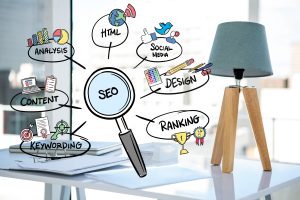
How SEO Drives Long-Term Organic Growth
When you compare SEO and paid ads, SEO stands out as the smart choice for long-term, steady growth. Instead of paying for every visitor, SEO helps your website gradually show up higher in search results so you get a steady flow of traffic without always relying on ads.As you enhance your content and build your website’s authority, your search rankings tend to stabilize. This means your business can keep drawing in customers even when you’re not pouring money into ads every day, making SEO a dependable channel for growth.For small business owners weighing the pros and cons of SEO vs paid ads, SEO is perfect for establishing trust and credibility with your audience. It positions your business as a go-to resource while steadily boosting your online presence.To foster long-term growth with SEO instead of relying on paid ads, concentrate on these key areas:
- Content Creation: Publish helpful, keyword-focused content regularly.
- On-Page Optimization: Improve titles, meta descriptions, and site structure.
- Backlink Building: Earn links from reputable websites to boost authority.
- Technical SEO: Ensure your site is fast, mobile-friendly, and easy to crawl.
The Benefits of Paid Ads for Immediate Results
When you look at SEO versus paid ads, paid ads give you speed and immediate results. They can put your business at the top of search results right away, making them ideal for promotions, launches, or bringing in leads quickly.This instant visibility is particularly beneficial for small businesses that need quick results or want to experiment with new offers. You can rapidly assess what’s working, tweak your campaigns, and scale up based on how they perform.In the SEO vs paid ads discussion, paid advertising also gives you greater control over your audience. You can target specific groups and fine-tune your campaigns using real-time data.To maximize the advantages of paid campaigns in the SEO vs paid ads landscape, here are some key benefits to consider:
- Instant Traffic: Get in front of customers right away.
- Precise Targeting: Reach specific audiences based on location, behavior, and intent.
- Budget Control: Set daily or campaign limits based on your needs.
- Measurable Results: Track clicks, conversions, and ROI in real time.
Cost Comparison: SEO vs Paid Advertising
When it comes to SEO vs paid ads, one of the biggest considerations is how each method affects your budget. SEO usually demands an initial investment in content creation, optimization, and strategy. However, as your traffic increases over time, it tends to become more cost-effective since you won’t have to pay for each click.On the other hand, paid ads follow a model where you’re constantly spending money. You’re charged for every click or impression, and those costs can pile up quickly—especially in competitive markets where the cost-per-click can be quite steep.For business owners weighing the pros and cons of SEO and paid ads, it’s crucial to look beyond just the immediate costs and think about the long-term return on investment. SEO often yields a better ROI in the long run, while paid ads can deliver quicker, albeit more fleeting, results.
Timeline to Results: What to Expect from Each Strategy
When it comes to SEO vs paid ads, one of the most noticeable differences is the timeline for seeing results. SEO is more of a marathon than a sprint; it can take several months before you start to see significant improvements, but the benefits are usually long-lasting.Paid ads can start bringing in traffic and leads almost immediately after you launch a campaign. This makes them a great option for businesses looking for quick wins or instant visibility.If you’re weighing the pros and cons of SEO vs paid ads, understanding the timeline is crucial. It helps you set realistic expectations and plan your marketing strategy more effectively. Each method has its own strengths, depending on what you’re aiming to achieve.To get a clearer picture of the timelines involved in SEO and paid ads, consider the following:
- SEO Timeline: Typically 3–6 months for noticeable results.
- Paid Ads Timeline: Immediate visibility and traffic.
- Longevity: SEO results last longer; ads stop when spending stops.
- Optimization Period: Both require ongoing adjustments for best performance.
Targeting Capabilities and Audience Reach
When you weigh the pros and cons of SEO vs paid ads, two major factors come into play: targeting capabilities and audience reach. SEO is all about capturing users based on their search intent, which means your content pops up just when people are on the hunt for solutions. This makes it a solid contender in the organic vs paid ads debate.Over time, this strategy can help you connect with a wider audience, especially as your content starts ranking for various keywords. While you don’t have direct control over who sees your content, you naturally draw in users who are already interested in what you provide, which is great for long-term growth in the SEO vs paid ads conversation.Paid ads really stand out for targeting. Modern ad platforms let you zero in on your audience by demographics, behavior, and location. With analytics tools, you can adjust your campaigns and expand your reach as you go. This makes paid ads a smart option when you want results fast.
Pros and Cons of SEO
When you look at the pros and cons of SEO versus paid ads, SEO has some real strengths for long-term growth, even if there are some challenges. It’s a great way to build trust and steady traffic, especially for small businesses focused on lasting results.One of the standout advantages of SEO is its potential for delivering impressive ROI over time. Once your content climbs the rankings, it can keep bringing in traffic without the need for ongoing expenses, making it a more budget-friendly option compared to paid ads in the digital marketing landscape.To better understand SEO vs paid ads, here are the main pros and cons of SEO:
- Pro: Long-Term Traffic: Generates consistent organic traffic over time.
- Pro: Cost Efficiency: No cost per click once rankings are established.
- Pro: Credibility: Builds trust with users through organic visibility.
- Con: Slow Results: Can take months to see significant improvements.
- Con: Ongoing Effort: Requires continuous optimization and content updates.
Pros and Cons of Paid Ads
When you compare SEO and paid ads, paid ads stand out for fast visibility, though they come with ongoing costs. They’re an important part of digital marketing and work best when you need quick results or want to reach a specific audience.To navigate this landscape, many businesses turn to a paid ads specialist or consultant to ensure their campaigns run smoothly. With effective management and insights from paid ads analytics, companies can fine-tune their performance, minimize unnecessary spending, and grow their brands more efficiently through paid ads.For business owners weighing SEO vs paid ads, especially when considering paid ads for small businesses or even a paid ads for Shopify store, it’s important to balance speed with sustainability. You can get paid ads on your website quickly, but long-term success depends on ongoing optimization. Here are the main pros and cons to consider:
- Pro: Immediate Results: Start generating traffic and leads right away.
- Pro: Advanced Targeting: Reach highly specific audiences with precision.
- Pro: Scalable: Increase visibility quickly and scale brands with paid ads.
- Con: Ongoing Costs: Traffic stops when you stop spending.
- Con: Requires Expertise: Often needs a paid ads consultant or specialist.
- Con: Performance Monitoring: Requires consistent tracking with paid ads analytics tools.
When to Choose SEO for Your Business
When it comes to choosing between SEO and paid ads, SEO shines if you’re aiming for long-term, sustainable growth. It’s perfect for businesses looking to establish authority, enhance visibility over time, and lessen their dependence on continuous ad spending.SEO is particularly effective for those who can dedicate time to creating content and want to attract steady traffic from search engines. In the debate of organic vs paid ads, SEO often serves as the cornerstone for enduring online success.If you’re deciding between SEO and paid ads for business growth, SEO is a strong choice if you want lasting value and a better return over time.Here’s when SEO truly makes the most sense:
- Long-Term Strategy: You’re focused on sustainable growth over time.
- Budget Conscious: You want to reduce ongoing marketing costs.
- Content-Driven Business: You can consistently create valuable content.
- Building Authority: You want to establish trust and credibility online.
When Paid Ads Make More Sense
When it comes to the debate between SEO and paid ads, if you’re after quick results and speed, paid ads are definitely the way to go. They let you reach your target audience almost instantly and start generating leads without the wait for organic rankings.Paid ads shine particularly bright during promotions, product launches, or in competitive markets where gaining organic visibility can take a while. With the right platforms and solid management, businesses can swiftly test different campaigns and scale up what proves effective.For those eager to get paid ads on their website and attract immediate traffic, teaming up with a paid ads specialist or consultant can boost your results.Here’s when it makes the most sense to opt for paid ads:
- Immediate Visibility: You need traffic and leads quickly.
- Short-Term Campaigns: You’re promoting a limited-time offer.
- Precise Targeting: You want to reach a specific audience.
- Scalable Growth: You’re ready to scale brands with paid ads.
Combining SEO and Paid Ads for Maximum Impact
When you look at the pros and cons of SEO versus paid ads, the best approach is usually to use both. You’ll get instant visibility from paid ads and build long-term credibility through SEO.By using both tactics together, you create a well-rounded marketing strategy. Paid ads can deliver quick results and valuable data insights, while SEO lays down a solid groundwork that keeps the traffic flowing over time.For businesses looking to grow by comparing SEO and paid ads, blending these two strategies can enhance performance and boost your ROI. By utilizing analytics from paid ads and combining them with SEO insights, you can fine-tune your approach. Here’s how to get the most out of both worlds:
- Short-Term + Long-Term: Use ads for quick wins and SEO for lasting growth.
- Data-Driven Decisions: Apply insights from paid ads analytics to SEO strategy.
- Increased Visibility: Dominate both paid and organic search results.
- Optimized Spend: Balance budget between immediate and sustainable channels.
Ready To Grow Your Business?
Ready to grow your business with the right SEO and paid ads strategy? Whether you’re looking for long-term organic growth or immediate results through targeted campaigns, a balanced approach can drive more leads and increase revenue. Let’s build a strategy that works for your goals and budget.