

Ranking well in your local area can really make a difference in how visible you are, especially when customers are actively searching for what you offer. To climb the ranks on Google Maps, businesses need a smart strategy that blends optimization, consistency, and engagement. By grasping the essential factors that affect local rankings, you can effectively place your business right in front of the audience that matters, exactly when they need you.
How Google Maps Ranking Works
Google Maps rankings are influenced by a mix of relevance, distance, and prominence. These elements decide which businesses show up in the local “Map Pack” when users search for nearby products or services. If you want to boost your visibility, it’s crucial to understand how these factors work together.
Relevance is all about how closely your business aligns with what someone is looking for. This includes your business category, the services you offer, and the keywords sprinkled throughout your profile. The more your listing matches the search intent, the higher your chances of appearing in the results.
Distance is about how near your business is to the person searching or the location they’ve included in their query. Prominence, on the other hand, speaks to your business’s reputation and authority online, shaped by reviews, backlinks, and your overall digital footprint.
Local SEO: Getting Your Growing Business In Front of Real BUyers
Local SEO is focused on ensuring your business pops up when people in your area are actively looking for what you provide. For growing businesses, this is one of the best ways to attract customers who are ready to make a purchase. By honing in on location-based keywords, optimizing your Google Business Profile, and keeping your business information accurate across all platforms, you can significantly boost your chances of connecting with the right audience at the right moment.
Consistency and engagement are key to success. Regular updates, responding to customer reviews, and sharing relevant content signal to search engines that your business is active, trustworthy, and deserving of a higher ranking.
Key Factors That Influence Google Maps Rankings
There are several key factors that determine how your business ranks on Google Maps. By concentrating on these areas, you can greatly enhance your local visibility and maintain a competitive edge.
- Google Business Profile Optimization: A complete and accurate profile increases your chances of ranking higher.
- NAP Consistency: Your name, address, and phone number should be consistent across all listings.
- Customer Reviews: Frequent, high-quality reviews build trust and improve rankings.
- Local Keywords: Using the right keywords helps match your business with relevant searches.
- Backlinks and Citations: Mentions from credible websites strengthen your authority.
- User Engagement: Clicks, calls, and direction requests signal value to Google.
How Local Businesses Rank on Google Maps
Optimizing Your Google Business Profile for Better Visibility
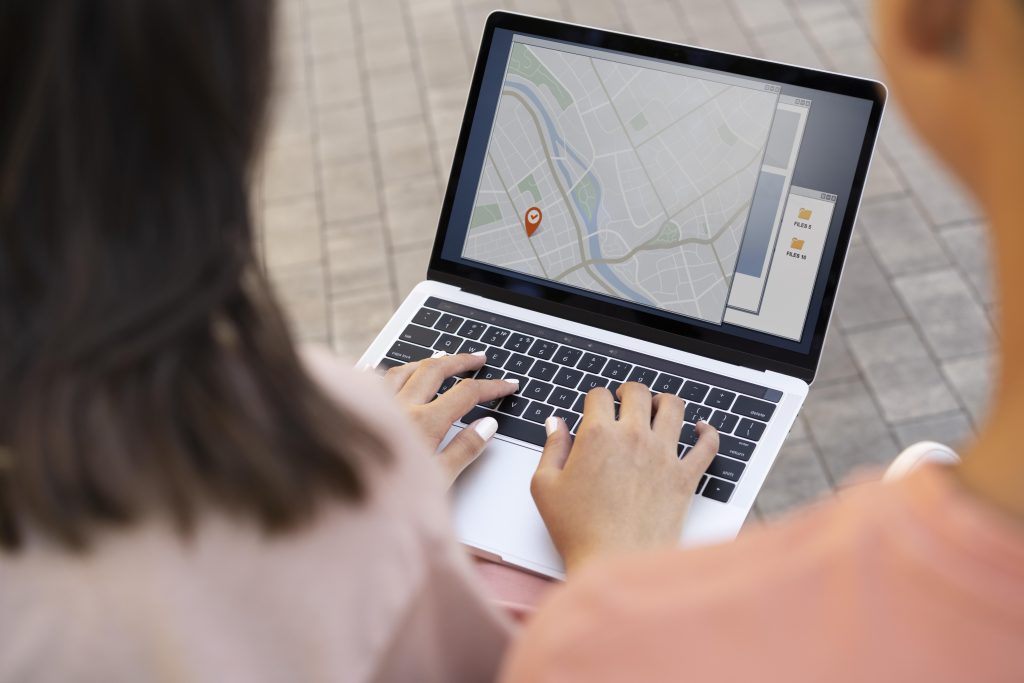
Your Google Business Profile is a crucial tool for boosting your visibility in local search results. When your profile is fully optimized, it helps search engines grasp what your business is all about, making it easier for potential customers to find you and trust your services. This means having accurate business details, relevant categories, and a clear description of what you offer. Including high-quality photos, listing your services, and keeping your hours updated all play a part in strengthening your online presence.
These elements not only enhance your chances of ranking higher but also increase user engagement when people stumble upon your listing. Staying consistent is vital for maintaining visibility. By regularly updating your profile with posts, offers, and announcements, you signal to search engines that your business is active and relevant, helping you stay competitive in local search results.
To maximize your results, focus on these key optimization areas:
- Complete Profile Information: Fill out every available field with accurate details.
- Primary & Secondary Categories: Choose the most relevant categories for your business.
- High-Quality Images: Upload photos that showcase your products, services, and location.
- Regular Posts: Share updates, promotions, and news to stay active.
- Service Listings: Clearly define what you offer to match search intent.
The Importance of NAP Consistency Across the Web
NAP consistency—your business name, address, and phone number—is essential for local SEO. Search engines depend on this information to verify your business’s legitimacy and ensure users receive accurate details.
When your NAP information is consistent across directories, websites, and social media platforms, it builds trust with search engines. Inconsistent or outdated information can confuse both users and algorithms, which could hurt your rankings.
Keeping uniformity across all platforms not only reinforces your business’s credibility but also enhances the user experience, making it easy for customers to contact or find your business without any hassle.
To maintain strong NAP consistency, keep these best practices in mind:
- Use the Same Formatting: Keep your business name, address, and phone number identical everywhere.
- Update Listings Promptly: Make changes across all platforms whenever your information changes.
- Audit Your Citations: Regularly check directories for inaccuracies or duplicates.
- Claim Business Listings: Take ownership of your listings to control your information.
- Monitor Third-Party Sites: Ensure aggregators and smaller directories reflect correct data.
How Customer Reviews Impact Local Rankings
Customer reviews hold significant sway over how businesses rank on Google Maps and in local search results. They not only affect your ranking but also shape how potential customers view your brand. When people see positive reviews, it builds trust and encourages them to choose your business over others. The number, quality, and recency of reviews all contribute to your ranking. Businesses that regularly receive fresh and detailed feedback are more likely to climb higher in the rankings and engage more users.
Taking the time to respond to reviews—whether they’re glowing or critical—shows that you care about what your customers think. This kind of engagement can enhance your reputation and signal to search engines that your business is active and trustworthy.
To boost your review strategy, keep these points in mind:
- Ask for Reviews: Encourage satisfied customers to leave feedback.
- Respond Promptly: Engage with all reviews in a timely manner.
- Maintain Authenticity: Avoid fake or incentivized reviews.
- Highlight Keywords Naturally: Customers often mention services that help relevance.
- Address Negative Feedback: Show professionalism and willingness to resolve issues.
Using Local Keywords to Improve Map Pack Placement
Local keywords are essential for linking your business with individuals who are on the hunt for services in your area. By weaving location-specific terms into your website and business profile, you boost your chances of showing up in relevant searches.
When you strategically sprinkle these keywords throughout your business description, services, and website content, it helps search engines grasp where you operate and who your audience is. This alignment can significantly enhance your visibility in the Map Pack.
Remember, it’s crucial to use local keywords in a way that feels natural, rather than cramming them into your content. A balanced approach keeps your writing engaging while still signaling to search engines that you’re relevant, which can ultimately elevate your local rankings.
To refine your keyword strategy, consider these helpful tactics:
- Include City & Region Terms: Use geographic modifiers throughout your content.
- Optimize Page Titles & Meta Descriptions: Incorporate local keywords where relevant.
- Create Location-Based Pages: Target multiple service areas if applicable.
- Use Keywords in Headings: Reinforce relevance in structured content.
- Leverage Customer Language: Align with how real users search for your services.
The Role of Citations and Local Listings
Citations and local listings are basically shout-outs for your business found on various online directories, websites, and platforms. These listings play a crucial role in helping search engines confirm that your business is legitimate, which in turn boosts your visibility as you aim to climb the ranks on Google Maps. The more consistent and accurate your citations are, the easier it is to stand out in competitive local markets.
When your business is featured on trusted directories, it significantly increases the likelihood of potential customers finding you. Plus, it builds trust with search engines, indicating that your business is well-established and credible in your industry and area.
To avoid any confusion and ranking hiccups, maintaining consistency across all your listings is key.
To create and uphold strong citations, keep these essential practices in mind:
- Submit to Trusted Directories: Prioritize well-known and relevant platforms.
- Ensure NAP Consistency: Keep your business information identical across all listings.
- Remove Duplicate Listings: Eliminate duplicates that could dilute your authority.
- Update Information Regularly: Keep all listings current and accurate.
- Expand to Niche Directories: List your business on industry-specific platforms.
Leveraging Photos and Posts to Increase Engagement
Photos and posts are crucial for grabbing attention and boosting engagement on your Google Business Profile. Visual content allows potential customers to get a clearer picture of your business, products, and services, while also helping you climb the ranks on Google Maps. By regularly updating your visual content, you can enhance your chances of ranking higher on Google Maps, as it shows that your business is active and relevant.
High-quality images can significantly increase click-through rates and motivate users to take action—whether that means visiting your website, calling your business, or getting directions. Meanwhile, posts give you the opportunity to share updates, promotions, and news right on your profile.
Keeping your content fresh and engaging not only signals activity to search engines but also builds trust with your audience.
How Proximity and Location Affect Rankings
Understanding how proximity and location influence rankings is crucial for any business aiming to shine in local search results. Google tends to favor businesses that are closer to the searcher or the location mentioned in their query, which means your chances of appearing on Google Maps increase significantly the nearer you are. While you can’t change where your business is physically located, grasping how this factor plays into your ranking can really help shape your overall strategy.
Even though your physical address is set in stone, you can still optimize how your business communicates its service area. By clearly defining your service areas and making sure your address is spot-on, you help search engines get a better grasp of where you operate.
Location relevance doesn’t stop at your address; it also encompasses your entire online presence. By bolstering your local signals, you can boost your visibility, even in a competitive landscape.
To improve your location-based ranking factors, consider focusing on:
- Accurate Business Address: Ensure your location is correctly listed and verified.
- Defined Service Areas: Specify the regions you serve within your profile.
- Localized Content: Create content tailored to your geographic market.
- Local Backlinks: Earn links from nearby businesses and organizations.
- Mobile Optimization: Many local searches happen on mobile devices.
Common Mistakes That Hurt Google Maps Rankings
Many businesses find it tough to get noticed on Google Maps, often because of simple mistakes that undermine their local SEO efforts. Even minor inconsistencies or overlooked optimizations can make it a challenge to rank well, especially in competitive areas. Spotting and fixing these issues is essential for boosting your visibility.
A frequent issue is having incomplete or outdated business information. If your details are inaccurate, your profile is neglected, or there’s a lack of engagement, search engines might see your business as unreliable or irrelevant.
By steering clear of these common pitfalls, you can greatly enhance your local presence. Make it a priority to address these mistakes:
- Incomplete Google Business Profile: Missing details reduce relevance and trust.
- Inconsistent NAP Information: Mismatched data across platforms confuses search engines.
- Ignoring Customer Reviews: Lack of engagement can harm credibility and rankings.
- Keyword Stuffing: Overusing keywords can negatively impact readability and performance.
- Duplicate Listings: Multiple listings dilute authority and create confusion.
- Lack of Updates: An inactive profile signals low relevance to search engines.
Tracking and Measuring Your Google Maps Performance
To really make your mark on Google Maps, it’s essential to keep an eye on your performance over time. By tracking key metrics, you’ll get a clearer picture of what’s working well and where you might need to step up your game to improve your ranking and stay visible.
Google’s Business Profile offers some fantastic insights, showing you how customers discover your listing, what actions they take, and how your profile stacks up in search results. These insights are invaluable for shaping your optimization strategy.
By regularly reviewing your performance, you can make informed decisions that lead to better outcomes.
Be sure to focus on monitoring these important metrics:
- Search Visibility: How often your business appears in local searches.
- Customer Actions: Calls, website visits, and direction requests.
- Review Trends: Quantity, quality, and frequency of customer feedback.
- Photo Views: Engagement with your visual content.
- Keyword Performance: Which search terms are driving traffic.
Find New Customers By Improving Your Google Maps Listing with Mandile
Ready to grow your business? Let’s create a custom site that brings you more leads, more sales, and less stress. Contact Mandile Digital Marketing today.